
Retention basins, ponds and lakes
Pond and lake construction.
Some of the work we are proudest of. Stormwater basins that do their job, and stock and amenity ponds that still look right ten years later.
Shaping and depth
Clay key
Bank slopes
Spillway
Inlet and outlet
Spoil
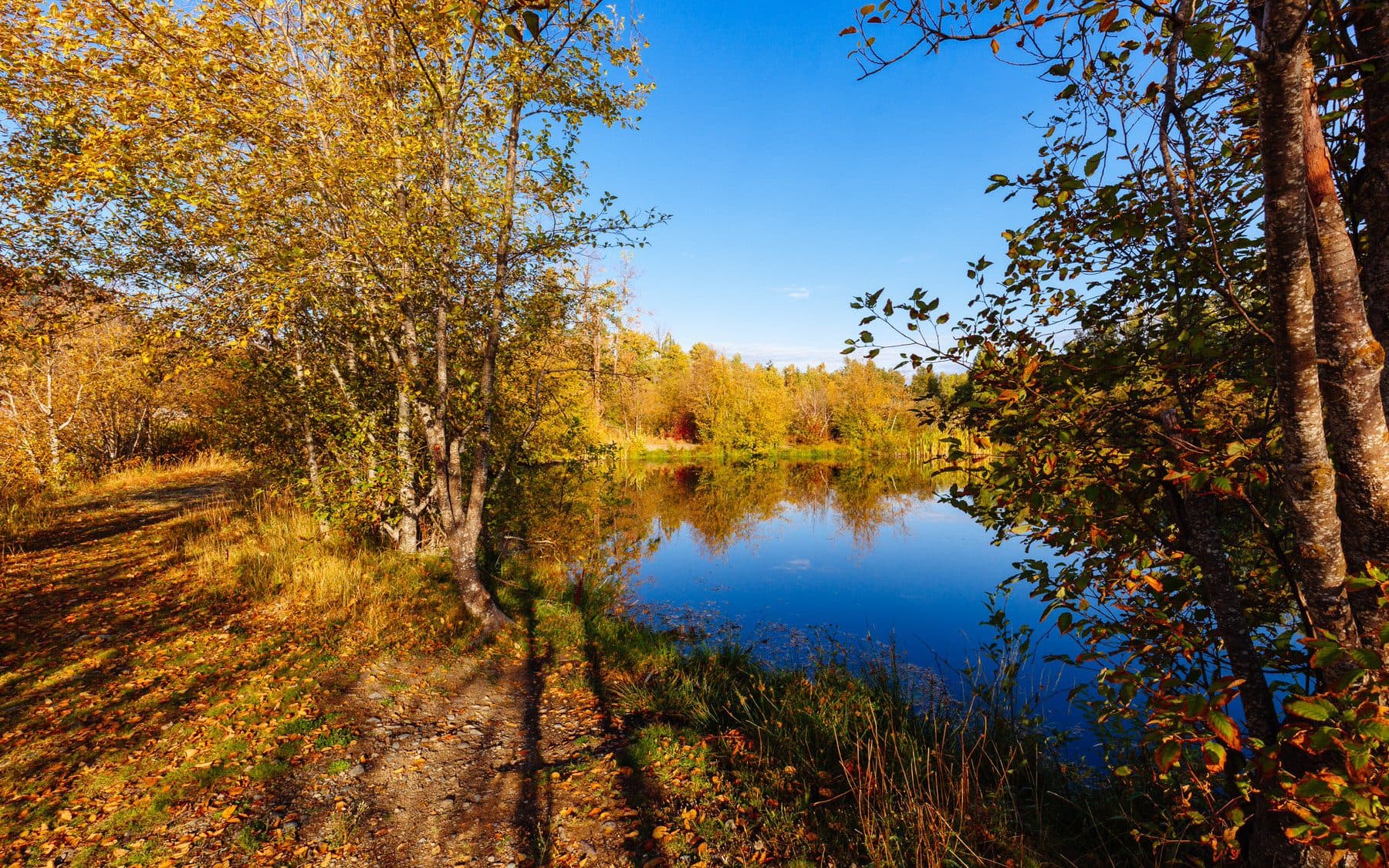
A hole in the ground is not a pond.
A pond that holds water needs a clay key cut into ground that will actually seal, banks laid back at a slope that will not slump, and an emergency spillway that takes the storm you did not plan for. Skip any of those and you get a wet patch that drains in a fortnight, a bank that slides in the first hard rain, or a breach that puts your water in the neighbour's field.
We have dug retention basins for developers and stock and amenity ponds for landowners across this area, and the spoil usually has somewhere useful to go, which is often what makes the numbers work. A pond dug at the same time as a pad is frequently cheaper than either job alone.
Whether a pond holds depends on what is under it. We can usually tell from working the ground nearby, but on a large or expensive pond a soils investigation is money well spent before you dig.
Included in the scope
Shaping and depth
Cut to a depth and shape that suits what the water is for, whether that is storage, stock or looks.
Clay key
Keyed into impermeable ground so the pond holds instead of soaking away.
Bank slopes
Laid back to a slope that will not slump, and shaped so you can mow it.
Spillway
An emergency spillway sized to take the storm the design event does not cover.
Inlet and outlet
Structures set so water arrives and leaves without cutting the banks apart.
Spoil
Put to use on site as pad or fill wherever the job allows, rather than paid to be hauled away.
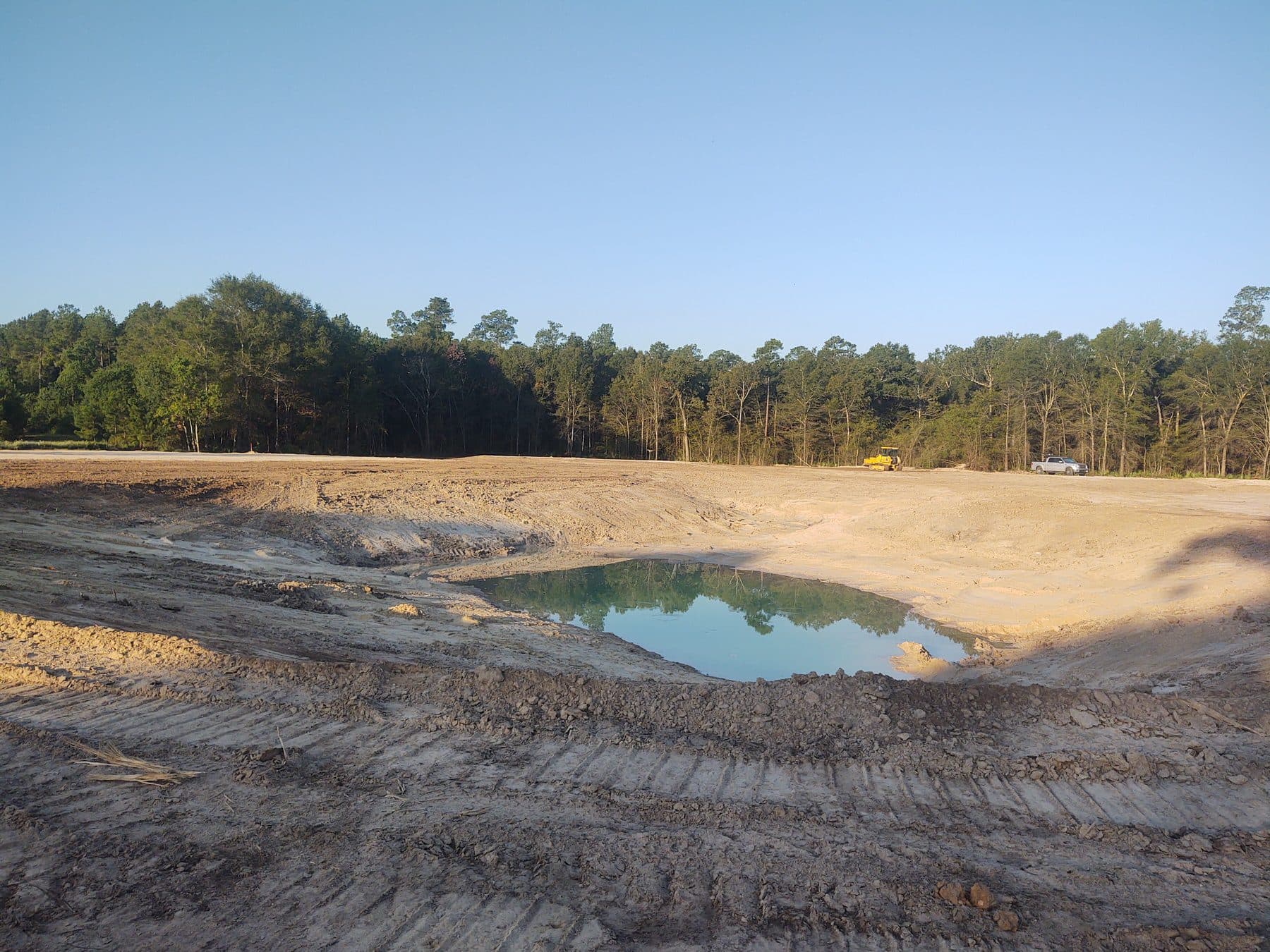
Pond and lake construction, on real jobs.
Every photograph below is a KGW site. Click any of them to see it full size.
Questions
What people ask before they call.
Will my pond hold water?
That depends entirely on the soil. Clay holds, sand does not. Around Crosby it varies lot by lot, which is why we key ponds into clay where we find it and tell you honestly when a site looks marginal.
How big can you go?
From a small stock pond up to multi-acre lakes and development retention. The practical limit is usually where the spoil goes, not the digging.
Can the dirt from the pond be used on site?
Usually, and it is often what makes the job affordable. Pond spoil frequently becomes the pad or the fill for the same property.
Tell us about the site.
Two ways in, depending on how far along you are. Either one reaches the office in Crosby, not a call centre.